

With mounting pressure on the UK’s food industry to achieve net zero emissions by 2040, the importance of tackling supply chain decarbonisation is rising rapidly up the agenda.
In its Roadmap to Net Zero report, the Food and Drink Federation describes how the UK’s food and drink industry is a vital part of the nation’s £120 billion ‘farm to fork’ food chain.
However, it noted that the sector was responsible for 158 million tonnes of carbon emissions in 2019, equating to about 22% of the UK’s carbon footprint.
The industry has launched initiatives to tackle the issues, such as the Retailer Net Zero Collaborative Action Programme, which includes eight major retailers such as Morrisons and Sainsbury’s with plans to drive action on greenhouse gases.
Here at CSX, we’re concerned that many farmers and supply chain businesses still don’t know enough about the true environmental cost of producing the food we eat. The government’s 2023 Farm Practices Survey indicated that 62% of farmers thought it important to consider greenhouse gas emissions when making farm business decisions, while 32% considered it not important.
Action is clearly needed. Read on to discover the ways our food system contributes to climate change:
How do farming practices affect the carbon cycle?
How food is farmed and produced can have a huge impact on its carbon footprint. There are many factors affecting the level of greenhouse gas emissions being produced by UK farms, including:
- Methane emissions from livestock and the manure they produce
- Carbon dioxide from fossil fuel used in farming machinery
- Nitrous oxide from synthetic fertilisers – this can also pollute water sources
- Overuse of land, leading to soil carbon loss
- Animal waste that can pollute air and water
- Loss of biodiversity
- Soil degradation from erosion and compaction
- Crop choices and rotations
- Pesticides that can weaken ecosystems
- Food production processes, including freezing and refrigeration
- Food storage lighting requirements
- Transporting goods to factories
How does livestock farming affect carbon emissions?
It is claimed that livestock farming can significantly contribute to carbon emissions through methane production from animal digestion, while manure releases both methane and nitrous oxide, depending on how it is stored.
Meanwhile, land that might have contained trees or grassland might be switched to grow animal feed. The fuel used by the machinery that harvests the crops produces CO2, while fertilising the crops generates nitrous oxide emissions and significant emissions from the energy used to produce the fertiliser.
Processing meat and dairy products uses energy – and refrigeration, packaging and transport all add emissions.

How much carbon does farming produce?
Agriculture is a major source of both nitrous oxide and methane emissions in the UK, accounting for 71% of total nitrous oxide emissions and 49% of all methane emissions in 2021, according to a report by the Department for Environment, Food and Rural Affairs. In contrast, agriculture only accounted for about 1.9% of total carbon dioxide emissions.
How does the food supply chain increase carbon emissions?
Carbon emissions are generated at almost every step of the food supply chain, from growing and farming the food to transporting it to supermarkets before it reaches our plates.
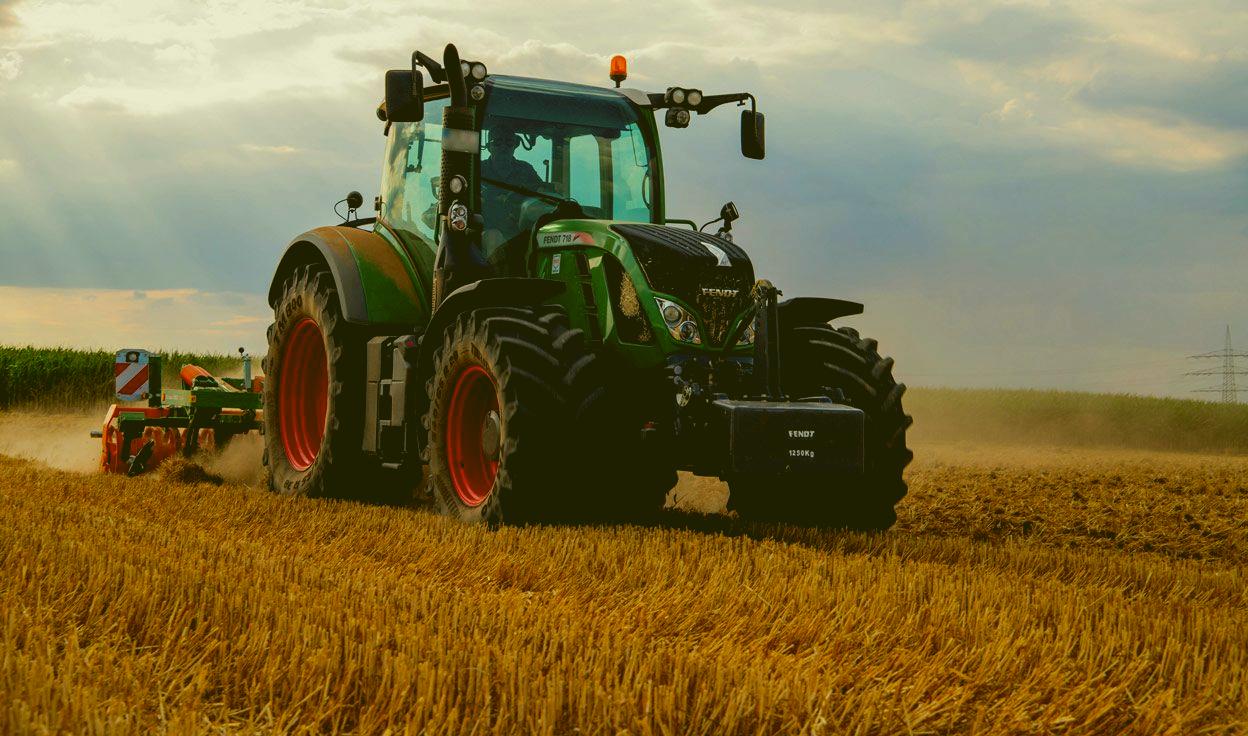
At the farm stage, there are issues around fossil fuel usage for machinery, tractors and irrigation; the use of fertilisers and methane emissions from manure and livestock.
Food processing and manufacturing can emit carbon by using fossil fuel-powered electricity and heat, through food packaging production and in the refrigerating process.
The transport and distribution chain involved in ensuring our food reaches the shops, markets and hospitality venues, among many, can involve CO2-emitting delivery lorries.
Further down the chain, supermarkets use large amounts of electricity for lighting and refrigeration and to power their display fridges and tills.
Then there’s the energy we consume once we’ve bought and cooked the food – and we must also be conscious of food waste being sent to landfills and packaging waste being incinerated.

How to reduce the food supply chain’s carbon footprint
Reducing the carbon footprint of the food supply chain means taking action to cut emissions at every stage of the farm to fork process. We can do this through:
- Adopting sustainable farming practices
- Reducing fertiliser and pesticide use
- Crop rotation to regenerate and maintain healthy, carbon-rich soil
- Improving grazing practices
- Reducing machinery fuel consumption
- Switching to low-energy cold storage sources
- Installing LED lighting in farm buildings
- Deploying renewable energy systems within farming enterprises
- Cutting food waste – and using byproducts for animal feed
- Investing in rail and local supply chains
- Shifting to sustainable packaging, for example compostable or recyclable materials
- Encouraging consumers to buy local, seasonal and low-emission foods
How can farmers help supply chain decarbonisation?
Farmers can play a significant role in contributing to supply chain decarbonisation by adopting practices that reduce emissions on their land. It’s also an ideal opportunity to future-proof their businesses. These measures could include:
- Measure your carbon footprint by collecting data on your farming practices (fuel, crops, livestock, waste) and calculate the total greenhouse gas emissions produced
- Start monitoring nature-based carbon balances, such as trees, soil and peatlands where present
- Develop sustainable farming practices, such as reduced pesticide use
- Increase biodiversity efforts, reduce waste and track the results
- Reduce reliance on fossil fuels by adopting renewable energy sources such as wind, solar panels or biogas systems
- Collaborate with supply chain partners to provide low-carbon produce
How our CSX experts can help farmers’ decarbonisation efforts
Farmers should invest in appropriate nature-based solutions to create positive carbon credits and balances. These tools can reduce and offset production emissions and help farms work towards net zero goals – aligning with the Corporate Sustainability Reporting Directive (CSRD) requirements.
Food companies may well seek suppliers with sustainable practices within their supply chains. It is highly likely that farmers selling into the supply chains of major retailers and food processing companies will need to start providing CSRD supply chain monitoring data.
At CSX, we assess a farm’s impact on nature and climate, helping the owners and other companies in the supply chain to understand their sustainability reporting requirements.
Contact CSX to get started on your sustainability strategy
The efforts of farmers in reducing their own carbon footprints and influencing the impact of their supply chain are essential in the drive to achieve global climate goals.
Speak to one of our sustainability experts to explore our tailored solutions to help your farm’s supply chain decarbonisation efforts. You can either call us on 01609 786655, email us at contact@csxcarbon.com or visit our contact page and one of out experts will be on hand to help.