

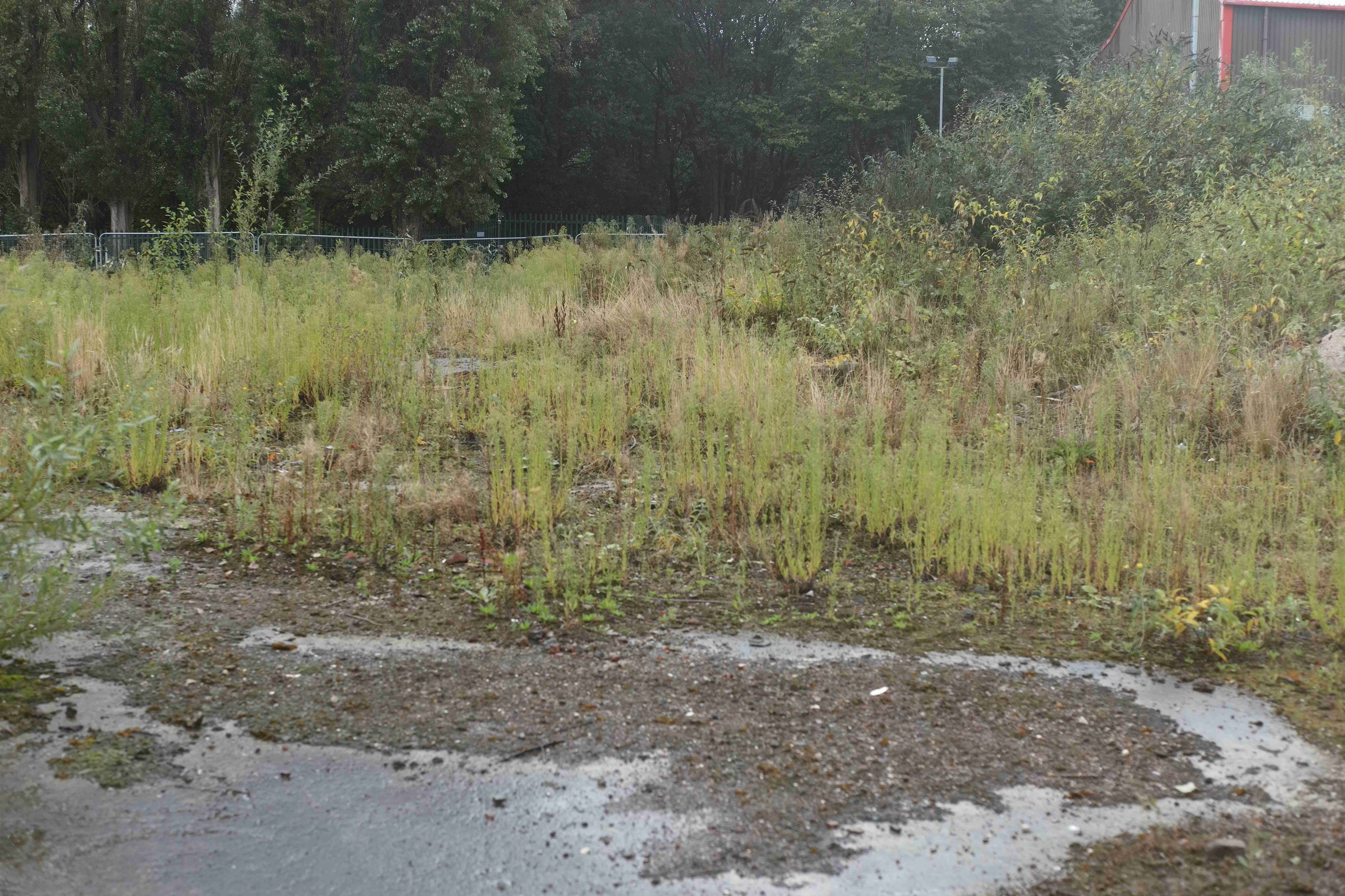
With the ongoing discussions in the UK’s construction sector about which sites are best to develop, a common topic of queries is how open mosaic habitats help brownfield land diversity. Including recognising that biodiversity-rich habitats in brownfield sites may not be found elsewhere. Abby Robinson, biodiversity team leader at CSX, the leading nature-based solutions provider, discusses why these sites are invaluable to our ecosystems.
Identifying an Open Mosaic Habitat
The formation of an Open Mosaic Habitat (OMH) is a natural process where nature is left to develop optimally in a particular space. When land is disused and unkept for long enough, like many brownfield sites in the UK, nature reclaims its dominion and blooms into a diverse ecosystem most conducive to growth.
At first glance, such a space could be mistaken for a sparsely vegetated, low quality, low value habitat, both of which are located on brownfield sites and to an untrained eye look deceivingly alike. This often leads to misclassification; however, upon closer examination the differences are stark.
An OMH is a mosaic of many different small habitats adjacent to one another on a minor scale, creating a larger mosaic habitat. The variety comes from multiple changes in soil and topography within a small area allowing biodiversity to flourish. For an area to be classed as an OMH, it must meet the requirements of the UK Habitat classification system which includes several specific criteria.
Due to the wide range of wildlife that this classification includes, and the close proximity of different habitats, OMH are naturally very biodiverse and therefore extremely valuable in forming unique ecosystems – often more so than greenbelt grasslands, which are populated mostly with a low variety of wildlife and poor vegetation diversity such as weeds.
Difficulties in replacing an OMH
With biodiversity net gain (BNG) regulations now fully enforced, all future developments need to remediate any damage or changes caused to habitats during construction. However, because OMHs form naturally, they are difficult to replicate artificially, often resulting in a shortfall of the net gain requirement.
A further challenge is that many of the species found in a mosaic habitat cannot thrive elsewhere. Previously developed land often has unique soil and substrate, influenced by minerals, extraneous materials, or other residues from past disturbances. Therefore, transplanting the same species to a nearby location is often unviable and not a like-for-like substitute.
Implications for developers
Ultimately, if an area is not correctly classified, it can result in significant financial losses, wasted time, and potential reputational damage for a developer, as well as harm to a unique habitat or ecosystem if it is disturbed in the process. To avoid this, comprehensive, objective data, such as drone monitoring, should be used to give an accurate representation of the whole area. This minimises the risk of mischaracterising sites when relying solely on an ecological walk-over assessment conducted in the field.
Numerous variables can impact the accuracy of an ecological assessment. OMHs are vitally important and contain wildlife rarely found elsewhere in the UK. In comparison to some greenbelt grasslands with minimal variety, and is why it is being seen as crucial that such biodiversity-rich brownfield environments are protected or replaced where necessary. This can be achieved through accurate classification and reliable data, which we believe is best obtained through drone monitoring.